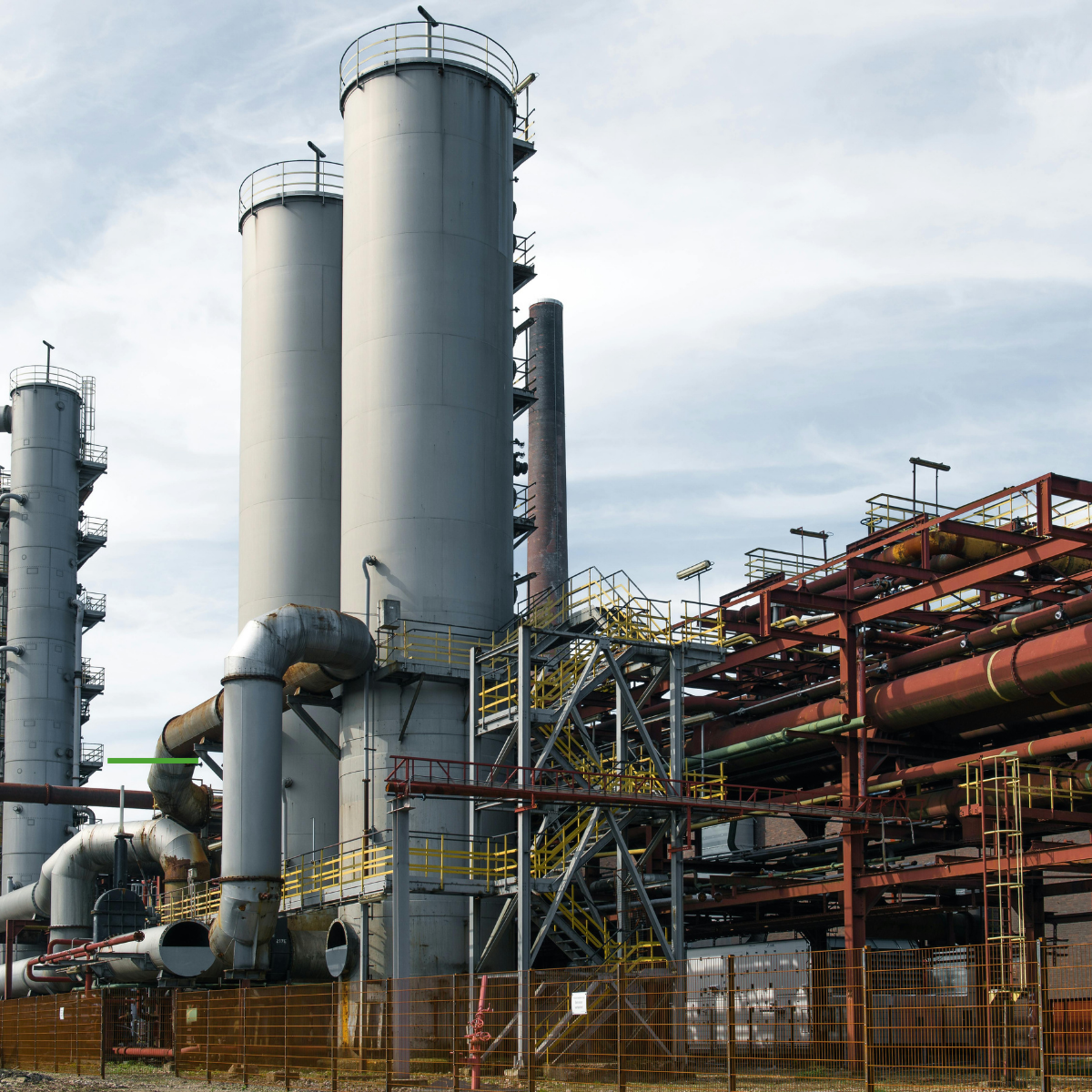
Below, we look at what the turbine shortage means for existing gas-fired plants, where they lose heat, and how our air preheaters and heat recovery exchangers win it back.
How many megawatts are leaving your plant through the stack?
How bad is the gas turbine shortage?
Demand for new gas turbines is far ahead of what manufacturers can build, and delivery slots now stretch into the next decade. Data centers, utilities and independent power producers are all reserving equipment years in advance.
Key figures at a glance
- GE Vernova gas turbine backlog: 116 GW in Q2 2026, up from 100 GW the prior quarter; sold out for deliveries until 2031
- Siemens Energy gas turbine backlog: 69 GW firm at end of June 2026; lead times of three years or more
- Global backlog vs. factory capacity: about 110 GW on order at end of 2025, against 60–70 GW a year of manufacturing capacity
- Cost of a new combined-cycle plant: more than double 2020 levels
- Price of existing gas plants: trading at roughly half of replacement cost
The result is simple: an existing gas-fired plant is now a scarce asset. Every percentage point of efficiency or availability it gains is capacity that would otherwise take years and a new turbine to add.
The same pressure is keeping older plants online longer. In the US, operators planned to retire 8.5 GW of coal capacity in 2025, but 4.8 GW of those retirements were pushed back and 1.1 GW were canceled, according to the U.S. Energy Information Administration. Many of those units, and others converting from coal to gas, will run for years with equipment originally designed for a different duty.
When new capacity takes years to buy, the plant you already have becomes the fastest source of megawatts.
Where do gas-fired plants lose heat and megawatts?
Most of the energy a gas-fired plant loses leaves as hot flue gas or exhaust, and much of the rest is lost to equipment that leaks, fouls or fails. Each of these losses has a heat exchanger fix.
- Hot stack gas on gas-fired boilers: every degree of flue gas temperature that leaves the stack is fuel that was burned and not used. Recovering it to preheat combustion air reduces the fuel needed for the same steam output.
- Air preheaters designed for another fuel: many boilers converted from coal to gas still run air preheaters built for coal. Their layout, heating elements and seals were chosen for coal firing, not for the efficiency and low pressure drop a gas unit needs.
- Leakage between air and gas: worn seals in a rotary air preheater let combustion air bypass into the flue gas. The fans then work harder to move air that does nothing useful, which raises auxiliary power and can limit unit output.
- Fouling and pressure drop: deposits on heating surfaces cut heat transfer and raise fan load at the same time.
- Exhaust heat with no use: gas turbine exhaust, process furnaces and other hot gas streams often go straight to atmosphere when a heat recovery unit could turn them into steam, hot water, hot oil or preheated air.
- Unplanned outages: on aging equipment, a single failure, such as an air preheater support or guide bearing, can take a unit offline for weeks. When replacement capacity takes years to buy, availability is worth as much as efficiency.
How can an air preheater upgrade add megawatts to a gas-fired boiler?
Restoring or upgrading the air preheater is one of the lowest-cost ways to win back heat rate on an existing unit. In a modern boiler, it does a large share of the work for a small share of the cost:
Up to 20% of total heat transfer for about 2% of the plant investment
Upgrades for existing gas-fired and converted boilers
Our air preheater work targets lower stack temperature and flue gas heat loss, better boiler efficiency and unit heat rate, and early detection of wear before it causes a failure. Typical upgrades include:
- Heating element baskets that restore or improve heat transfer.
- Radial and axial sealing systems that cut air-to-gas leakage and fan load.
- Guide and support bearings that reduce the risk of catastrophic air preheater failure and damage to rotors, seals and castings.
- Pre-assembled replacement units for smaller boilers, designed to fit existing foundations and ducts to shorten outages.
Coal-to-gas conversions
A coal unit converted to gas needs its air preheater to do a different job. Many units built in the past 50 years use trisector designs that split primary and secondary air for coal firing, which adds little on gas. After conversion, the priorities are thermal efficiency and low pressure drop. We modify existing air preheaters so converted units keep their generating capacity while burning less fuel.
Inspections before the next outage
Our field engineers inspect air preheaters on site, and our OASIS service assesses units while they run at normal temperature and pressure. An inspection before a planned outage shows which upgrades will recover the most heat in the time available.
When do plate or heat pipe heat exchangers make sense in a gas plant?
Plate and heat pipe heat exchangers recover heat from exhaust or flue gas streams where a rotary air preheater is not the right fit: smaller or medium streams, tight spaces, or applications where hot gas must never mix with the medium being heated. In a gas plant, that recovered heat can preheat combustion air, heat water or thermal oil, or raise steam.
Ljungström® Plate HX
The Ljungström® Plate HX is an all-welded plate heat exchanger for high-temperature heat recovery. Plate cores form alternating air and gas passages, with guide vanes for even flow and plate spacing set for each application. We designed it for the constraints plant teams actually face: limited space, dirty gas, tight pressure drop limits and short maintenance windows.
LJUNGSTRÖM Heat Pipe Heat Exchanger
Our Heat Pipe Heat Exchanger is a passive unit. Each sealed pipe holds a working fluid, typically water, that evaporates at the hot end and condenses at the cold end, with no pumps or moving parts. It offers:
- Zero leakage between the two streams for the life of the unit, even if a single pipe fails.
- Built-in redundancy, since each pipe works independently.
- Even temperatures along each pipe, which avoids cold spots and acid condensation.
- Several outputs: hot air, hot water, hot oil or steam, including compact heat pipe steam generators with an integrated steam drum.
- Safe thermal oil heating, with a separating section that keeps hot flue gas and thermal oil apart to remove ignition risk.
That makes heat pipes well suited to recovering exhaust heat from gas-fired equipment and furnaces, and to compact heat recovery steam generators (HRSG).
How the options compare on leakage
Leakage matters because every percent of air that slips into the gas side is fan power with no return. Typical figures across our range:
| Design | Typical size | Cross-stream leakage |
|---|---|---|
| Conventional rotary air preheater | Mid to large | 6–10% |
| Rotary RGC® | Mid to large | 0.5–2.0% |
| Heat pipe | Small to mid | Zero, for life |
Which heat recovery option fits your gas plant?
The right choice depends on the size of the gas stream, what equipment is already installed, and what the recovered heat will be used for. Use this as a starting point; our engineers can confirm the fit for your site.
| Your situation | Recommended option |
|---|---|
| Utility or large industrial gas-fired boiler with an existing rotary air preheater | Ljungström® air preheater upgrade (baskets, seals, bearings) for lower stack loss, less leakage and fan power, and fewer forced outages |
| Coal unit converted, or converting, to gas | Air preheater modification for gas firing, to keep efficiency and capacity after conversion with lower pressure drop |
| Smaller boiler with a damaged or outdated air preheater | Pre-assembled Ljungström® air preheater replacement, restoring heat recovery with a short outage |
| Hot, dirty or high-temperature exhaust in a tight space | Ljungström® Plate HX, for combustion air preheat or process heat with leakage control |
| Gas turbine, engine or furnace exhaust going to atmosphere | LJUNGSTRÖM Heat Pipe Heat Exchanger, producing steam, hot water, hot oil or hot air with zero leakage |
| Exhaust heat needed to heat thermal oil | Heat pipe gas-to-oil configuration, keeping flue gas separate from the oil |
Most plants have more than one of these situations. A site assessment ranks them by heat recovered, outage time and cost.
Frequently asked questions
How long does it take to get a new gas turbine in 2026?
GE Vernova is sold out for deliveries until 2031, according to Enverus, and Siemens Energy quotes lead times of three years or more. Global orders of about 110 GW at the end of 2025 compare with factory capacity of 60–70 GW a year.
Why are existing gas-fired plants worth more now?
Because new capacity is slow and expensive. New combined-cycle plant costs have more than doubled since 2020, while existing plants trade at roughly half of replacement cost, according to Enverus. Extra efficiency or availability from an existing plant is capacity that cannot easily be bought new.
How does an air preheater improve power plant efficiency?
It transfers heat from outgoing flue gas to incoming combustion air, so the boiler needs less fuel for the same steam output. In a modern boiler it can provide up to 20% of total heat transfer for about 2% of the plant investment.
What is air preheater leakage, and why does it matter?
Leakage is combustion air that slips past worn seals into the flue gas side. It makes fans work harder without adding output, which raises auxiliary power. Typical leakage is 6–10% for conventional rotary designs and 0.5–2.0% for our Rotary RGC®.
Do coal-to-gas conversions need air preheater changes?
Often, yes. Many coal-era air preheaters use trisector designs built for coal firing. After conversion to gas, the priorities shift to thermal efficiency and low pressure drop, and targeted modifications help the unit keep its capacity with less fuel.
What is a heat pipe heat exchanger?
It is a passive heat exchanger made of sealed pipes containing a working fluid, usually water. The fluid evaporates at the hot end and condenses at the cold end, moving heat with no pumps or moving parts. Our design has zero leakage between streams for life, even if a pipe fails.
What is the difference between a plate heat exchanger and a heat pipe heat exchanger?
A plate heat exchanger moves heat through welded plates separating alternating gas and air passages. A heat pipe heat exchanger moves heat through individual sealed pipes that work independently. Heat pipes add redundancy and isolate the two streams completely, while plate units suit high-temperature duties in compact spaces.
Can these upgrades be done during a planned outage?
That is the aim. We plan upgrades and repairs around outage schedules, and our pre-assembled air preheaters fit existing foundations and ducts to shorten installation. Actual timing depends on the site and scope.
Get more from the plant you already have
With new turbines years away, the next megawatt is most likely already inside your plant, leaving through the stack. Planning the recovery now means the work can fit your next scheduled outage.
- Check your stack and exhaust temperatures against design values. A rise over time points to fouling, leakage or worn elements.
- Review your air preheater’s condition and design, especially on units converted from coal or running beyond their original retirement date.
- List the hot gas streams that go to atmosphere, such as turbine, engine or furnace exhaust, and what heat the plant could use instead.
- Book an inspection or heat recovery evaluation with us before your next outage.
Contact our team to discuss air preheater upgrades, Ljungström® Plate HX or Heat Pipe Heat Exchanger options for your plant.
With new turbines years away, the next megawatt is most likely already inside your plant.
Market figures are as of the date of publication. Product performance depends on site conditions.